Wikileaks descubre desprecio que sobre Rigoberta Menchú siente el presidente Colom

EL PRESIDENTE ÁLVARO COLOM describe a la Premio Nobel de la Paz como “un invento” y cuestiona  que su liderazgo represente los intereses de los pueblos indígenas en Guatemala, revela nuevo cable de WikiLeaks del 9 de julio de 2008.

El diario guatemalteco Prensa Libre trae hoy la información dando cuenta de la comunicación entre el mandatario y el entonces embajador de los Estados Unidos, James M. Derham, cuando el diplomático realizó una visita de despedida al presidente en julio de 2008. La reunión fue descrita en un cable enviado por Derham a Washington.

Colom dijo que Menchú fue una” fabricación “de la antropóloga francesa y autora Elizabeth Burgos, quien escribió el libro “Me llamo Rigoberta Menchú”, que llevó a la Premio Nobel de la Paz al escenario internacional.

A criterio de Colom, Menchú es ampliamente rechazada por los pueblos indígenas de Guatemala, como lo demuestra su pobre desempeño en las elecciones presidenciales de 2007. El gobernante dijo que él estuvo presente en la ceremonia de 1997 en la que los líderes mayas señalaron a Menchú de “traicionar a su pueblo”.
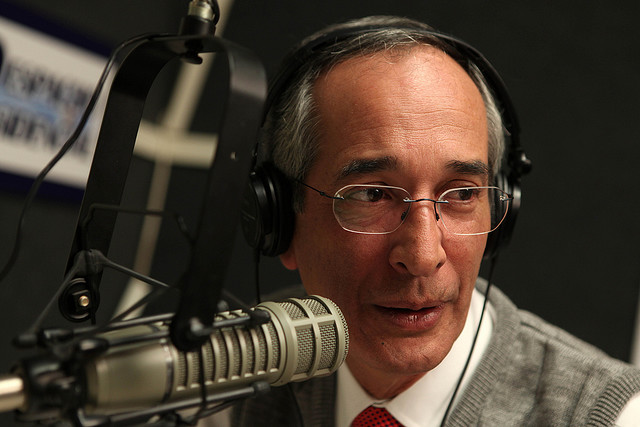
En el mismo cable Colom justifica la firma de acuerdo con Petrocaribe y cercanía con Chávez y Venezuela

En la misma revelación, Colom le justifica al ex embajador su decisión de suscribir el acuerdo energético con Venezuela, Petrocaribe, porque a su criterio beneficiaría al país en la reducción de costos en los combustibles. Derham, por su parte, mostró preocupación por la cercanía que el presidente de Guatemala estaba teniendo con Venezuela.

* Con información de Óscar Ismatul en el portal

www.prensalibre.com

Aquí el cable de Wikileaks:

CABLE SOBRE RIGOBERTA MENCHU


Viewing cable 08GUATEMALA867, AMBASSADOR’S FAREWELL CALL ON PRESIDENT COLOM

VZCZCXYZ0001

PP RUEHWEB

DE RUEHGT #0867/01 1912212

ZNY CCCCC ZZH

P 092212Z JUL 08

FM AMEMBASSY GUATEMALA

TO RUEHC/SECSTATE WASHDC PRIORITY 5704

INFO RUEHZA/WHA CENTRAL AMERICAN COLLECTIVE PRIORITY

RUEHCV/AMEMBASSY CARACAS PRIORITY 0630

RUEHME/AMEMBASSY MEXICO PRIORITY 4890

RUEAIIA/CIA WASHDC PRIORITY

RHEHNSC/NSC WASHDC PRIORITY

C O N F I D E N T I A L GUATEMALA 000867

SIPDIS

E.O. 12958: DECL: 07/08/2028

TAGS: PREL PGOV ENRG ECON GT

SUBJECT: AMBASSADOR’S FAREWELL CALL ON PRESIDENT COLOM

REF: A. GUATEMALA 783

B. GUATEMALA 821

C. GUATEMALA 854

D. GUATEMALA 759

Classified By: Ambassador James M. Derham for reasons 1.4 (b&d).

Summary ——-

1. (C) During the Ambassador’s July 8 farewell call on President Colom, Colom defended his decision to sign a PetroCaribe deal with Venezuela, asserting that the deal would help to alleviate rising fuel and food prices. Colom expressed confidence in new Minister of Government Jimenez, and reviewed the mixed performance of Attorney General Florido and Environment Minister Ferrate. Colom said that Nobel Peace Laureate Rigoberta Menchu, whom he called a “fabrication,” had incited indigenous residents of San Juan Sacatepequez to oppose local construction of a cement plant; one person had been murdered as a result. End Summary.

Colom to Sign PetroCaribe Deal ——————————

2. (C) During his July 8 farewell call on President Alvaro Colom and Foreign Minister Haroldo Rodas, the Ambassador inquired about President Colom’s planned July 13-14 trip to Caracas to sign a PetroCaribe agreement with Venezuela (ref a). President Colom confirmed his travel plans, and defended his decision. He said he was surprised that the Guatemalan countryside had not yet “exploded” in protest at recent increases in fuel and food prices, and expressed concern that a popular backlash might not be long in coming. Food and fuel inflation was straining people’s budgets, resulting in increased pressure on the state’s limited social welfare net. Colom added that Congress was unlikely to approve his proposed tax reform plan, so expected increases in state revenues would not be realized. PetroCaribe offered attractive financing terms, and would free up considerable funds for social welfare programs. Just a month ago, PetroCaribe negotiations had ground to halt, Colom said, but changing economic conditions had required the GOG to reconsider. Colom said he had discussed PetroCaribe with Dominican President Fernandez, who had encouraged Guatemala’s adhesion.

3. (C) Foreign Minister Rodas added that the decision to join PetroCaribe was strictly economic. The GOV had pressed the GOG to join the Venezuelan-led ALBA anti-American trade block, but the GOG wanted no part of it, and would not accede to any Venezuelan political conditions. “We’re Social Democrats, but we’re not fanatics, and we’re aware that radicalism in governance leads to failure,” Colom said.

4. (C) (Note: FRG Congresswoman Zury Rios separately told the Ambassador that she believed the PetroCaribe deal, which requires congressional approval, would easily pass Congress given the current inflationary environment. She also predicted Colom’s tax reform proposal would fail. “Guatemala Bench” Congresswoman Rosa Maria Frade also told us that PetroCaribe would pass, and opined that savings realized from a PetroCaribe deal might compensate the loss of anticipated revenues from the fiscal reform package. End Note.) Review of Senior Officials’ Performance —————————————

5. (C) President Colom lamented the recent deaths in a helicopter accident of Minister of Government Vinicio Gomez and Vice Minister Edgar Hernandez Umana (ref b). Colom expressed confidence that newly appointed Minister Francisco Jimenez would continue Gomez’s efforts to reform the police (ref c). Regarding Attorney General Juan Luis Florido, Colom Q(ref c). Regarding Attorney General Juan Luis Florido, Colom said Florido is amicable and is making a sincere effort. Nonetheless, he expressed frustration at the Attorney General’s Office’s seeming inability to progress with certain kinds of prosecutions, such as corruption, the murders of two union leaders, and the recent scandal over the illicit investment of congressional funds (ref d). Colom said that Commissioner Carlos Castresana of the International Commission Against Impunity in Guatemala (CICIG) is very demanding, and that under his leadership, CICIG is making some progress in helping the Attorney General’s Office to put its house in order.


 

TelegramWhatsAppFacebookX

EL PRESIDENTE ÁLVARO COLOM describe a la Premio Nobel de la Paz como “un invento” y cuestiona  que su liderazgo represente los intereses de los pueblos indígenas en Guatemala, revela nuevo cable de WikiLeaks del 9 de julio de 2008.

El diario guatemalteco Prensa Libre trae hoy la información dando cuenta de la comunicación entre el mandatario y el entonces embajador de los Estados Unidos, James M. Derham, cuando el diplomático realizó una visita de despedida al presidente en julio de 2008. La reunión fue descrita en un cable enviado por Derham a Washington.

Colom dijo que Menchú fue una” fabricación “de la antropóloga francesa y autora Elizabeth Burgos, quien escribió el libro “Me llamo Rigoberta Menchú”, que llevó a la Premio Nobel de la Paz al escenario internacional.

A criterio de Colom, Menchú es ampliamente rechazada por los pueblos indígenas de Guatemala, como lo demuestra su pobre desempeño en las elecciones presidenciales de 2007. El gobernante dijo que él estuvo presente en la ceremonia de 1997 en la que los líderes mayas señalaron a Menchú de “traicionar a su pueblo”.

En el mismo cable Colom justifica la firma de acuerdo con Petrocaribe y cercanía con Chávez y Venezuela

En la misma revelación, Colom le justifica al ex embajador su decisión de suscribir el acuerdo energético con Venezuela, Petrocaribe, porque a su criterio beneficiaría al país en la reducción de costos en los combustibles. Derham, por su parte, mostró preocupación por la cercanía que el presidente de Guatemala estaba teniendo con Venezuela.

* Con información de Óscar Ismatul en el portal

www.prensalibre.com

Aquí el cable de Wikileaks:

CABLE SOBRE RIGOBERTA MENCHU


Viewing cable 08GUATEMALA867, AMBASSADOR’S FAREWELL CALL ON PRESIDENT COLOM

VZCZCXYZ0001

PP RUEHWEB

DE RUEHGT #0867/01 1912212

ZNY CCCCC ZZH

P 092212Z JUL 08

FM AMEMBASSY GUATEMALA

TO RUEHC/SECSTATE WASHDC PRIORITY 5704

INFO RUEHZA/WHA CENTRAL AMERICAN COLLECTIVE PRIORITY

RUEHCV/AMEMBASSY CARACAS PRIORITY 0630

RUEHME/AMEMBASSY MEXICO PRIORITY 4890

RUEAIIA/CIA WASHDC PRIORITY

RHEHNSC/NSC WASHDC PRIORITY

C O N F I D E N T I A L GUATEMALA 000867

SIPDIS

E.O. 12958: DECL: 07/08/2028

TAGS: PREL PGOV ENRG ECON GT

SUBJECT: AMBASSADOR’S FAREWELL CALL ON PRESIDENT COLOM

REF: A. GUATEMALA 783

B. GUATEMALA 821

C. GUATEMALA 854

D. GUATEMALA 759

Classified By: Ambassador James M. Derham for reasons 1.4 (b&d).

Summary ——-

1. (C) During the Ambassador’s July 8 farewell call on President Colom, Colom defended his decision to sign a PetroCaribe deal with Venezuela, asserting that the deal would help to alleviate rising fuel and food prices. Colom expressed confidence in new Minister of Government Jimenez, and reviewed the mixed performance of Attorney General Florido and Environment Minister Ferrate. Colom said that Nobel Peace Laureate Rigoberta Menchu, whom he called a “fabrication,” had incited indigenous residents of San Juan Sacatepequez to oppose local construction of a cement plant; one person had been murdered as a result. End Summary.

Colom to Sign PetroCaribe Deal ——————————

2. (C) During his July 8 farewell call on President Alvaro Colom and Foreign Minister Haroldo Rodas, the Ambassador inquired about President Colom’s planned July 13-14 trip to Caracas to sign a PetroCaribe agreement with Venezuela (ref a). President Colom confirmed his travel plans, and defended his decision. He said he was surprised that the Guatemalan countryside had not yet “exploded” in protest at recent increases in fuel and food prices, and expressed concern that a popular backlash might not be long in coming. Food and fuel inflation was straining people’s budgets, resulting in increased pressure on the state’s limited social welfare net. Colom added that Congress was unlikely to approve his proposed tax reform plan, so expected increases in state revenues would not be realized. PetroCaribe offered attractive financing terms, and would free up considerable funds for social welfare programs. Just a month ago, PetroCaribe negotiations had ground to halt, Colom said, but changing economic conditions had required the GOG to reconsider. Colom said he had discussed PetroCaribe with Dominican President Fernandez, who had encouraged Guatemala’s adhesion.

3. (C) Foreign Minister Rodas added that the decision to join PetroCaribe was strictly economic. The GOV had pressed the GOG to join the Venezuelan-led ALBA anti-American trade block, but the GOG wanted no part of it, and would not accede to any Venezuelan political conditions. “We’re Social Democrats, but we’re not fanatics, and we’re aware that radicalism in governance leads to failure,” Colom said.

4. (C) (Note: FRG Congresswoman Zury Rios separately told the Ambassador that she believed the PetroCaribe deal, which requires congressional approval, would easily pass Congress given the current inflationary environment. She also predicted Colom’s tax reform proposal would fail. “Guatemala Bench” Congresswoman Rosa Maria Frade also told us that PetroCaribe would pass, and opined that savings realized from a PetroCaribe deal might compensate the loss of anticipated revenues from the fiscal reform package. End Note.) Review of Senior Officials’ Performance —————————————

5. (C) President Colom lamented the recent deaths in a helicopter accident of Minister of Government Vinicio Gomez and Vice Minister Edgar Hernandez Umana (ref b). Colom expressed confidence that newly appointed Minister Francisco Jimenez would continue Gomez’s efforts to reform the police (ref c). Regarding Attorney General Juan Luis Florido, Colom Q(ref c). Regarding Attorney General Juan Luis Florido, Colom said Florido is amicable and is making a sincere effort. Nonetheless, he expressed frustration at the Attorney General’s Office’s seeming inability to progress with certain kinds of prosecutions, such as corruption, the murders of two union leaders, and the recent scandal over the illicit investment of congressional funds (ref d). Colom said that Commissioner Carlos Castresana of the International Commission Against Impunity in Guatemala (CICIG) is very demanding, and that under his leadership, CICIG is making some progress in helping the Attorney General’s Office to put its house in order.

 

Todavia hay más
Una base de datos de mujeres y personas no binarias con la que buscamos reolver el problema: la falta de diversidad de género en la vocería y fuentes autorizadas en los contenidos periodísticos.